

There’s something really exciting about moving into a new home, isn’t there?! The possibility of rearranging furniture, choosing where your favourite things will live and discovering the character of unfamiliar rooms makes a fresh start rather wonderful. It’s kind of a renewal of oneself.
Getting there, however, can be considerably less romantic.
Between packing cupboards, organising removal companies, changing addresses and wondering where you’ve put the kettle, moving house has a remarkable ability to turn even the most organised household upside down.
Fortunately, a successful move rarely requires military precision. It requires a little forward planning, a sensible packing system and knowing which things deserve your attention first.
These 25 moving house tips will help you prepare without unnecessary stress, keep your belongings organised and make those first few days in your new home considerably more enjoyable.
Before You Pack: Make Space for a Fresh Start

1. Start earlier than you think necessary
Packing always takes longer than expected, particularly when you’ve lived somewhere for several years.
Begin with the things you rarely use: seasonal decorations, spare bedding, books you’ve already read and the contents of cupboards that haven’t been opened in months.
A few boxes packed each evening are much less daunting than an entire household waiting for attention during the final weekend.
2. Declutter before anything goes into a box
Moving is an excellent opportunity to reconsider what deserves space in your next home.
Work through wardrobes, kitchen cupboards, shelves and storage areas. Donate items in good condition, sell anything valuable you no longer want and recycle responsibly wherever possible.
If you’re preparing a property for sale, decluttering serves two purposes. It simplifies packing and makes rooms easier for potential buyers to appreciate. Our guide to getting your house ready to sell explores how to prepare your home for viewings without losing its character.
3. Create one moving folder
Keep important information together, whether in a physical folder or a dedicated digital space.
Include removal company details, booking confirmations, insurance information, utility contacts, property documents and any arrangements for collecting keys.
Keep this folder with you rather than packing it into a removal box.
4. Book your removal company in good time
If you’re hiring professional movers, obtain several written quotations and clarify exactly what’s included.
Ask about packing services, insurance, dismantling furniture, parking requirements and charges for delays.
No matter where you are moving from in the world, US, UK or Australia, completion dates can sometimes change. So confirm the company’s cancellation and rescheduling terms before paying a deposit.
5. Gather packing supplies before you need them
Collect sturdy boxes in several sizes, packing tape, labels, protective wrapping and permanent markers.
Small boxes are better for heavy objects such as books, while larger boxes suit bedding, cushions and other lightweight belongings.
Keep scissors, tape and markers together in a portable basket so you aren’t constantly searching for them.
If you are looking for a good source of moving boxes in all sizes, consider our affiliate Amazon. They tend to offer a quick delivery so you can keep your moving schedule.
Pack Cleverly, Not Frantically

6. Pack one room at a time
Moving between rooms while packing makes it difficult to know what’s finished and what still needs attention.
Start in one room, complete the non-essential items and label the boxes before moving elsewhere.
This also makes unpacking much easier because belongings from the same room arrive together.
7. Use colour-coded labels
Choose a colour for each room: perhaps green for the kitchen, blue for bedrooms and yellow for the living room.
Mark each box with the corresponding colour and use the same colours on signs at the new property.
Removal helpers can then see where boxes belong without repeatedly asking for directions.
8. Give boxes an A, B or C priority
This clever system is worth borrowing from the original moving guide.
Mark boxes A for things you’ll need immediately, B for belongings required within the first week and C for items that can wait.
Kitchen basics, everyday clothing and bathroom essentials belong in A boxes. Books, decorative accessories and occasional-use items can usually wait.
9. Write what’s inside, not just where it belongs
A box marked Kitchen isn’t particularly helpful when you’re looking for the coffee mugs.
Write a short description beneath the room label, such as everyday plates and bowls or baking equipment.
For valuable or complicated moves, number the boxes and keep a simple inventory on your phone.
10. Protect fragile belongings properly
Wrap ceramics, glassware and delicate ornaments individually, then cushion them inside sturdy boxes.
Use clean towels or soft textiles where appropriate to reduce the amount of disposable packaging required.
Keep heavier items at the bottom and fill gaps so objects cannot move around in transit.
11. Photograph complicated arrangements
Before disconnecting televisions, computers or other electronics, take photographs of the cables and connections.
Photograph the arrangement of shelves or furniture you intend to recreate, too.
These small visual reminders can save surprising amounts of time when you’re tired and surrounded by boxes.
12. Keep furniture fittings together
If you dismantle beds, tables or shelving, place screws, brackets and other small fittings in clearly labelled bags.
Attach each bag securely to the corresponding furniture component, provided it won’t damage the finish.
Few moving-day frustrations compare with having a bed frame ready to assemble but no idea where its bolts have gone.
Prepare for Moving Day
13. Pack a first-night essentials bag
Imagine arriving at your new home after a long day and discovering that your toothbrush is somewhere inside thirty identical boxes.
Avoid this by packing an overnight bag for every household member.
Include toiletries, medication, pyjamas, fresh clothing, chargers and anything needed for a comfortable night’s sleep.
14. Make a separate kitchen essentials box
The kettle deserves special treatment.
Pack mugs, tea, coffee, a few plates, cutlery, washing-up liquid, a tea towel and simple snacks together.
If you’re arriving late, having breakfast essentials ready for the following morning is a small luxury you’ll appreciate.
15. Keep valuables and documents with you
Passports, jewellery, important documents, essential medication and irreplaceable personal items should travel with you whenever possible.
Don’t leave these things in an unmarked box among the general household contents.
16. Arrange a quiet place for children and pets
Moving day can be noisy and confusing, especially with unfamiliar people carrying furniture through open doors.
If possible, arrange for young children or pets to stay with someone familiar during the busiest hours.
Otherwise, prepare a quiet room with their essentials and make sure everyone helping with the move knows it must remain secure.
17. Take photographs and meter readings
Before leaving, photograph the condition of the property where appropriate, particularly if you’re ending a tenancy.
Record final utility meter readings and keep the photographs with your moving documents.
At the new property, take opening readings and check that the heating, water and electricity work as expected.
18. Keep the final cleaning supplies accessible
Leave a small cleaning kit unpacked until the end.
A cloth, all-purpose cleaner, bin bags, vacuum cleaner and basic bathroom supplies will help you deal with those last-minute discoveries behind furniture.
For a complete overview of the tasks surrounding a property sale, our home selling checklist can help you keep the wider process organised.
Make Your First Night Feel Like Home
19. Make the beds before unpacking anything else
Once the furniture is in place, assemble the beds and put on fresh bedding.
It’s tempting to tackle the kitchen or start arranging the living room immediately, but a comfortable place to sleep should come first.
When the evening arrives, you’ll be glad there’s one room ready for you.
20. Set up the bathroom essentials
Unpack towels, toiletries, toilet paper and anything needed for a shower.
Check that hot water is available and that everyone knows where to find the bathroom light switches.
It sounds obvious, but familiar comforts are surprisingly reassuring in an unfamiliar house.
21. Create one welcoming corner
You don’t need to decorate the entire house on your first day.
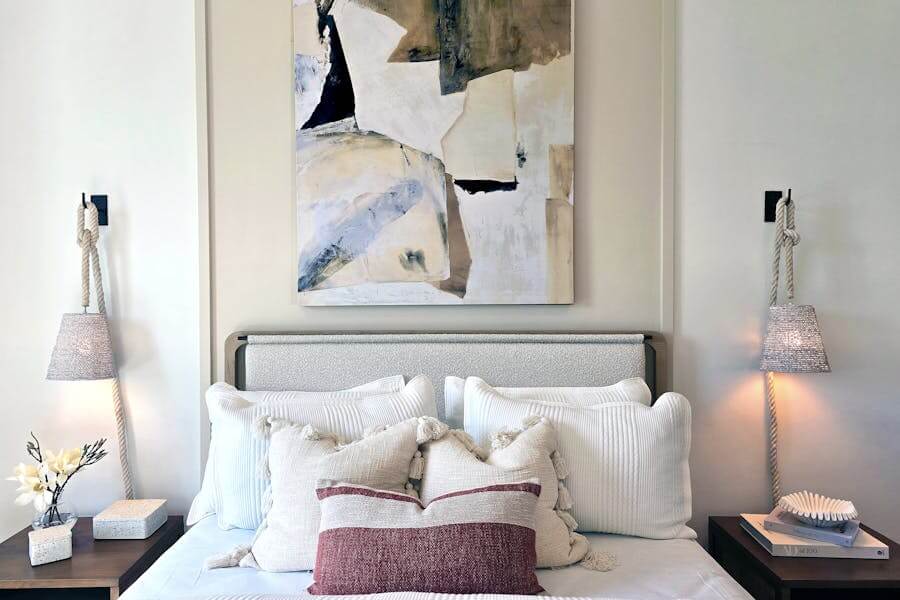
Instead, choose one corner that can feel finished quickly. Perhaps it’s your favourite armchair beside a lamp, a little table with flowers or a sofa with familiar cushions and a throw.
This is where OwnHomeStyle’s approach to interiors becomes especially useful: a home doesn’t need to be completely furnished to feel welcoming.
A few familiar textures and favourite belongings can bring warmth to a room long before the final box is unpacked.
Settle Into Your New Home Beautifully
22. Unpack according to how you live
Resist the urge to unpack every box simply to get rid of the cardboard.
Begin with the rooms you use most: bedrooms, bathroom and kitchen. Then move on to the living areas and less frequently used spaces.
The A/B/C priority system makes this particularly straightforward.
23. Live with the furniture arrangement for a while
A new home has its own patterns of light, movement and daily activity.
Before buying additional furniture or committing to a complicated layout, spend a little time discovering how you naturally use each room.
You may find that the best place for a reading chair is beside a different window, or that the dining table works better turned in another direction.
A thoughtful arrangement developed over several weeks can be more successful than one decided entirely on moving day.
24. Organise storage before filling every cupboard
Moving provides a rare opportunity to establish better household routines.
Before unpacking kitchen equipment, consider which cupboards are easiest to reach. Keep everyday dishes and cooking utensils convenient, while reserving higher shelves for occasional items.
Apply the same thinking to wardrobes, bathroom storage and utility cupboards.
The goal isn’t perfectly styled shelves. It’s a home where frequently used belongings are easy to find and put away.
25. Give yourself permission to enjoy the new beginning
There’s no rule that says every picture must be hung and every box emptied within a week.
Take a walk around your new neighbourhood. Discover the local café, visit a nearby park or simply enjoy breakfast beside a different window.
Moving house is a significant life event, and the pleasure of settling in deserves just as much attention as the practical work.
After all, the best part of moving isn’t having everything in its proper place. It’s gradually discovering what makes this new place yours.
A Fresh Start, Beautifully Organised
Moving house will always involve a certain amount of disruption, but it doesn’t have to become an exhausting race against the clock.
A little preparation, sensible packing and a clear idea of what you’ll need first can make the experience much more manageable.
Whether you’re moving after selling a property or beginning a completely new chapter, these moving house tips will help you arrive feeling organised enough to enjoy the exciting part: turning a new address into a home.
Originally published March 29, 2008. Updated 23 October 2026.

