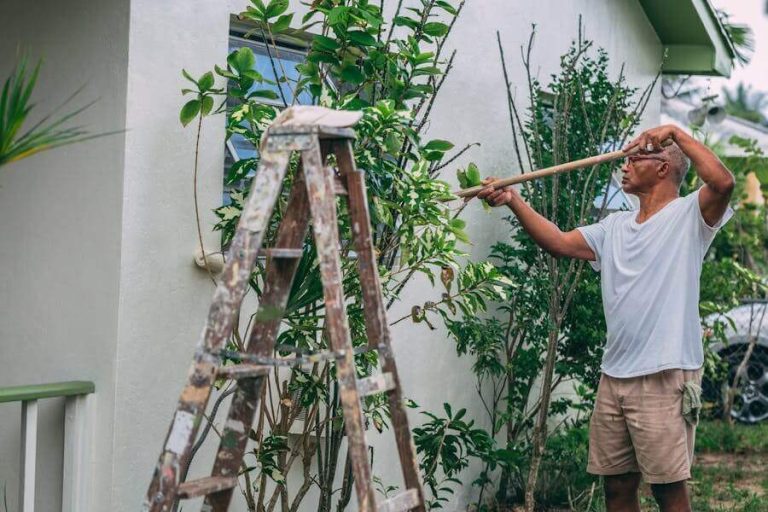
With our home maintenance checklist, refreshing your home becomes a breeze.
While most people think of Spring as the season for a deep-clean, it’s not the constant effort or large projects that will keep your home fresh and working well.
A sparkling and well-functioning home are actually the result of small things being taken care of before they turn into bigger ones. A hinge tightened early. A filter cleaned before it clogs. A draft noticed before winter fully sets in.
Individually, these things never feel urgent. But together, they shape how your home feels to live in.
Without a system, it’s easy to overlook them. Days get busy, priorities shift, and maintenance becomes something you’ll get to “later”—until later becomes inconvenient.
This guide is designed to simplify that.
Instead of trying to remember everything, you’ll have a clear, practical home maintenance checklist, broken down into monthly and seasonal rhythms. Nothing complicated—just a structure that helps you stay one step ahead, without it taking over your time.
Why a Simple Maintenance Routine Makes Such a Difference
There’s a noticeable difference between a home that’s regularly maintained and one that isn’t. Not always visually—but in how it functions.
Doors open smoothly. Appliances work as expected. Spaces feel easier to clean, easier to organise, easier to use. There’s less friction in everyday life.
And perhaps most importantly, fewer surprises.
Maintenance isn’t about perfection. It’s about reducing the number of things that go wrong unexpectedly—and making everything else easier to manage when it does.
Over time, these small actions:
- Extend the life of your home and its systems
- Reduce the likelihood of costly repairs
- Make daily routines feel smoother and more predictable
It’s not more work—it’s better timing.
Monthly Home Maintenance: Small Habits That Keep Everything Working
Monthly maintenance is where everything starts.
These aren’t big jobs. In fact, most of them take only a few minutes. But they create a baseline—a way of keeping things from slipping out of control.
Rather than setting aside a full day, it often works best to fold these into routines you already have.
A quick walkthrough of your home once a month is usually enough.
Look for anything that feels slightly off:
- A surface that hasn’t been properly cleaned in a while
- A drain that’s a little slower than usual
- A space that’s quietly becoming cluttered
From there, focus on a few key areas.
In most homes, monthly maintenance naturally includes:
- Wiping down high-use surfaces, especially in kitchens and bathrooms
- Checking sinks and drains for early signs of blockage
- Cleaning or replacing small filters in appliances
- Testing smoke alarms and basic safety devices
- Clearing out items that are no longer needed but still taking up space
These are the kinds of tasks that are easy to postpone—but once they become routine, your home starts to feel noticeably easier to manage.
If your kitchen tends to be the busiest space, following consistent habits—like those in kitchen maintenance tips that save you time and money—can make a significant difference.
Room-by-Room Maintenance: A More Natural Way to Stay on Track
Sometimes, it’s easier to think in terms of spaces rather than tasks.
Each room has its own rhythm—its own patterns of use—and when you align maintenance with that, everything feels more intuitive.
Kitchen
The kitchen is where small issues appear fastest. It’s used constantly, and even a little neglect shows quickly.
Keeping it in good shape often comes down to consistency:
- Surfaces that are wiped regularly
- Appliances that are cleaned before buildup occurs
- Storage that stays organised enough to use easily
It doesn’t take much—but it needs to be regular.
Bathroom
Bathrooms benefit from light, frequent attention rather than occasional deep cleaning.
Moisture is the main factor here.
Keeping an eye on:
- Ventilation
- Seals around sinks and showers
- Early signs of mould
…helps prevent more time-consuming work later.
Living Areas
Living spaces are usually less demanding—but they can quietly accumulate clutter.
A simple reset every now and then—clearing surfaces, adjusting storage, letting in light—keeps the space feeling calm and usable.
Outdoor Areas
Outdoor spaces change with the seasons, but they still benefit from occasional care.
Checking surfaces, keeping pathways clear, and making sure drainage works properly helps keep everything usable when you need it.
Seasonal Maintenance: Letting Your Home Adjust Naturally
Your home doesn’t stay the same throughout the year.
Temperature, moisture, and how you use your space all shift—and your maintenance routine should shift with them.
Spring: Reset and Refresh
Spring is often when homes feel ready for a reset.
After winter, spaces can feel closed in, slightly neglected, or heavier than they should.
This is a good time to:
- Open up windows and improve airflow
- Clean areas that were easy to overlook
- Check for any wear that developed during colder months
It doesn’t have to be a full deep clean—just enough to bring everything back to a comfortable baseline.
Summer: Maintain With Less Effort
Summer maintenance tends to be lighter.
With more natural light and time spent outdoors, homes often feel easier to manage.
This is the time to:
- Keep outdoor areas usable and tidy
- Maintain airflow and ventilation
- Take care of small tasks before they build up
Because conditions are more forgiving, it’s often the easiest season to stay consistent.
Autumn: Prepare Before It Matters
Autumn is where preparation becomes important.
Before temperatures drop, it’s worth taking time to look ahead.
Focus on:
- Heating systems that will soon be used daily
- Areas where drafts might become noticeable
- Gutters and drainage that could be affected by falling leaves
These aren’t major tasks—but they prevent discomfort later.
Winter: Protect and Monitor
Winter puts the most pressure on your home.
Heating, insulation, and ventilation all work harder.
During this time, maintenance becomes more about awareness:
- Monitoring how systems are performing
- Addressing small issues early
- Keeping spaces comfortable without overworking them
Even a few quick checks can prevent bigger disruptions.
Annual Maintenance: The Things That Quietly Protect Your Home
Some tasks don’t need to be done often—but they matter.
Once or twice a year, it’s worth stepping back and looking at the bigger picture.
This might include:
- Servicing heating or ventilation systems
- Inspecting roofing or exterior areas
- Reviewing insulation and energy efficiency
- Checking appliances that are heavily used
These are the kinds of checks that don’t feel urgent—but they’re the ones that prevent major issues over time.
Simple Home Maintenance Checklist (Quick Reference)
If you prefer something easy to follow, this quick summary brings everything together.
Monthly
- Wipe down high-use surfaces
- Check sinks and drains
- Test safety devices
- Clean or replace filters
- Clear clutter from key areas
If you prefer a more detailed, room-by-room breakdown, this monthly home maintenance checklist covers every area of your home—from kitchens and bathrooms to outdoor spaces and structural checks.
Seasonal
Spring
- Refresh and ventilate spaces
- Clean overlooked areas
- Check for winter wear
Summer
- Maintain outdoor areas
- Improve airflow
- Stay on top of light cleaning
Autumn
- Prepare heating systems
- Check for drafts
- Clear gutters
Winter
- Monitor heating performance
- Prevent moisture buildup
- Address issues early
Annual
- Service systems
- Inspect structure
- Review energy efficiency
- Check major appliances
Basic Tools That Make Maintenance Easier
You don’t need a full workshop—but having a few essentials nearby makes everything easier.
Often, it’s not the task itself that’s difficult—it’s the effort of getting started.
A small, practical set of tools can make all the difference:
- A basic screwdriver set
- Simple cleaning supplies
- Replacement filters
- Sealant or filler for small fixes
- A torch for less visible areas
Having these within reach means small issues can be handled immediately, rather than postponed.
Where Maintenance Saves You the Most Time and Money
It’s easy to focus on visible upgrades—but maintenance is where the real savings happen.
A clean filter improves efficiency.
A cleared drain prevents damage.
A small repair avoids a larger one.
These changes don’t feel dramatic—but over time, they shape how your home performs.
If you’re also making improvements, combining maintenance with practical upgrades—like those in kitchen ideas on a budget—can make your home work better without unnecessary cost.
Organisation Makes Everything Easier
Maintenance becomes harder when spaces are cluttered.
Not because there’s more to clean—but because it’s harder to see what needs attention.
When your home is organised:
- Cleaning takes less time
- Problems are easier to spot
- Everything feels more manageable
You don’t need perfect organisation—just enough structure to keep things from building up.
Creating a Routine You’ll Stick To
The best maintenance routine isn’t the most detailed but rather the one that you manage to follow. That might mean:
- Spreading tasks across weeks
- Linking maintenance to routines you already have
- Keeping a simple checklist instead of a complex system.
As well…
- Creating a playlist with fun upbeat songs to listen to while you clean
- Using nice-smelling cleaning products.
- Working with pretty baskets and good tools you’ll enjoy usings.
Over time, these habits become automatic.
And when they do, maintenance stops feeling like something extra, and becomes part of how your home runs. Review our weekly cleaning checklist to get in the groove.
Home Maintenance FAQs
How often should home maintenance be done?
Most basic tasks should be done monthly, with additional checks each season and a few key tasks once or twice a year.
What is the most important maintenance task?
Consistency matters more than any single task. Regular cleaning, checking systems, and fixing small issues early are the most important habits.
Can maintenance really prevent major problems?
Yes—many common household issues start small. Addressing them early often prevents more serious repairs later. And doing this can really save you money.
How do I keep up with everything?
Keeping a simple checklist and breaking tasks into manageable steps makes maintenance much easier to stay on top of.
What maintenance tasks are often overlooked?
Filters, ventilation, and small leaks are commonly missed but important.
Conclusion
A well-maintained home doesn’t require constant attention—it just needs the right kind of attention.
Small, consistent actions. A simple rhythm. A way of noticing things before they become problems.
When that’s in place, everything else becomes easier:
- Your home feels more comfortable
- Systems work as they should
- And unexpected issues become far less common
And often, that’s all it takes.