
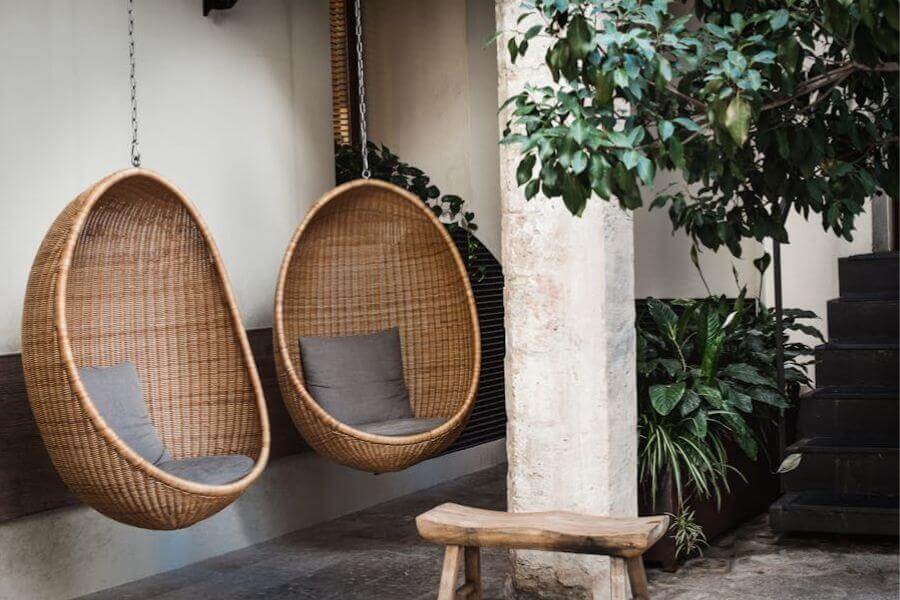
The best outdoor seating ideas focus on creating a space that feels comfortable, inviting, and easy to use.
A garden becomes far more inviting the moment it has somewhere comfortable to sit. Without seating, outdoor spaces often feel incomplete—somewhere to pass through rather than somewhere to stay. But when a seating area is well placed and thoughtfully arranged, it naturally draws you outside.
The best outdoor seating ideas aren’t about filling space. They’re about creating a place that feels easy to use, comfortable to return to, and enjoyable to spend time in.
Start With Where You Naturally Want to Sit
Before choosing furniture, it helps to notice where you’re already drawn to in your garden. This might be:
- a sunny spot in the morning
- a shaded corner in the afternoon
- a quiet area away from the main view
Placing seating where the space already feels good makes it more likely to be used.
Outdoor Seating Ideas That Create a Defined Space
Even in a small garden, defining a specific area for seating makes the space feel more intentional. This could be:
- a small patio
- a decked corner
- a section of the garden with a different surface
A defined zone helps separate seating from the rest of the garden and gives it a sense of purpose. The best outdoor seating ideas are often simple, focusing on placement and comfort rather than quantity.
If you’re shaping your outdoor space more broadly, these outdoor living ideas show how seating fits into a more complete layout. Also peruse our low maintenance garden ideas that look effortlessly beautiful.
Choose Seating That Matches the Space
Furniture that fits the scale of your garden makes a noticeable difference.
Oversized pieces can make a small space feel crowded, while furniture that’s too small may feel temporary or uncomfortable.
Options to consider:
- compact seating sets
- built-in benches
- foldable or stackable chairs
The goal is balance—comfortable without overwhelming the space.
Use Soft Furnishings to Add Comfort
Hard outdoor surfaces can feel less inviting on their own. Adding softness helps transform seating into a place you actually want to stay. Think of
- cushions – always an easy upgrade to any space, indoors or outdoors
- outdoor rugs – this will transform your experience on both very hot days as well as colder evenings.
- throws – perfect for cooler evenings.
These details don’t need to be excessive—they just make the space feel more relaxed and lived-in.
Keep the Layout Open and Easy to Move Through
Seating should feel integrated into the space, not like an obstacle.
Make sure:
- pathways remain clear
- there is enough room to move around comfortably
- furniture isn’t blocking natural flow
If the space feels easy to move through, it will feel more inviting overall.
For smaller spaces, these small garden ideas that feel bigger and more relaxed show how layout affects usability.
Add Shade Where It Matters
Comfort isn’t just about seating—it’s also about how the space feels throughout the day.
Adding shade can make seating usable for longer periods.
Options include:
- umbrellas
- pergolas
- natural shade from plants
A shaded seating area often becomes the most used part of the garden.
Create a Sense of Privacy
Seating areas feel more comfortable when they offer some degree of privacy.
This doesn’t require full enclosure, but even partial separation can help.
You might use:
- plants
- screens
- positioning seating away from direct views
A more enclosed feeling often makes people more likely to sit and stay.
Use Lighting to Extend the Space
Lighting allows your seating area to remain usable into the evening.
Soft lighting helps create a calm atmosphere without feeling harsh.
Simple options:
- string lights
- lanterns
- wall-mounted lighting
The aim is to create a space that feels just as inviting after sunset.
Keep It Low-Maintenance
Outdoor seating should be easy to maintain.
Choosing weather-resistant materials and simple setups helps ensure the space stays usable without constant effort.
If upkeep is a concern, these low-maintenance garden ideas that still look beautiful show how to design a space that stays manageable.
Make It Flexible
Outdoor spaces often work best when they can adapt.
Lightweight or movable seating allows you to:
- adjust to sunlight
- accommodate guests
- change how the space is used
This flexibility keeps the space feeling fresh and practical.
Avoid Overfilling the Space
It’s tempting to add more seating than you need, especially in larger areas.
But too much furniture can make the space feel crowded and reduce comfort.
A smaller number of well-placed seats often works better than trying to accommodate every possible scenario.
Creating a Space You Actually Use
The best outdoor seating ideas are the ones that become part of your daily routine.
A place to:
- have a morning coffee
- read in the afternoon
- relax at the end of the day
When seating feels natural and easy to use, it turns the garden into a space you genuinely enjoy.
Conclusion
Outdoor seating isn’t just about furniture—it’s about creating a place that invites you to stay.
When the layout is clear, the seating is comfortable, and the space feels easy to use, your garden becomes more than just something to look at.
It becomes somewhere you want to be.
Pro-tip: Positioning seating near a garden for butterflies can make the space feel even more relaxed and enjoyable to spend time in.
