
Spring garden ideas are less about preparing for what’s ahead, and more about bringing the space back to life after winter. Spring is when a garden begins to feel like part of the home again.
After the colder months, outdoor spaces often feel slightly forgotten. Plants need attention, surfaces lose their clarity, and the layout no longer works in the same way. But refreshing a garden for spring doesn’t require a full redesign.
The most effective spring garden ideas focus on bringing the space back into use—adding color where it matters, introducing a few useful plants, and making sure the layout supports how you want to spend time outside.
Start With a Clear, Simple Reset
Before adding anything new, it helps to clear and reset the space.
Over winter, small layers build up—fallen leaves, worn edges, containers that no longer feel intentional. Removing these creates a cleaner base to work from.
- clear debris and dead growth
- tidy borders and edges
- clean patios or pathways
A garden that feels ordered again is far easier to build on.
If you’re continuing into the warmer months, this how to prepare your garden for summer so it feels fresh and ready to use guide builds naturally from this stage.
Spring Garden Ideas for Flowers That Bring the Space Back to Life
Flowers are often what make a garden feel like spring has arrived.
A few well-placed additions can have more impact than a large, scattered mix. The key is to think about visibility—what you see from the house, from a seating area, or as you move through the space.
- group flowers rather than spreading them thinly
- focus on a small number of colors
- place them where they frame or soften key areas
Spring garden ideas work best when they create a clear visual shift, rather than trying to fill every corner.
Spring Garden Ideas for Herbs That Add Everyday Use
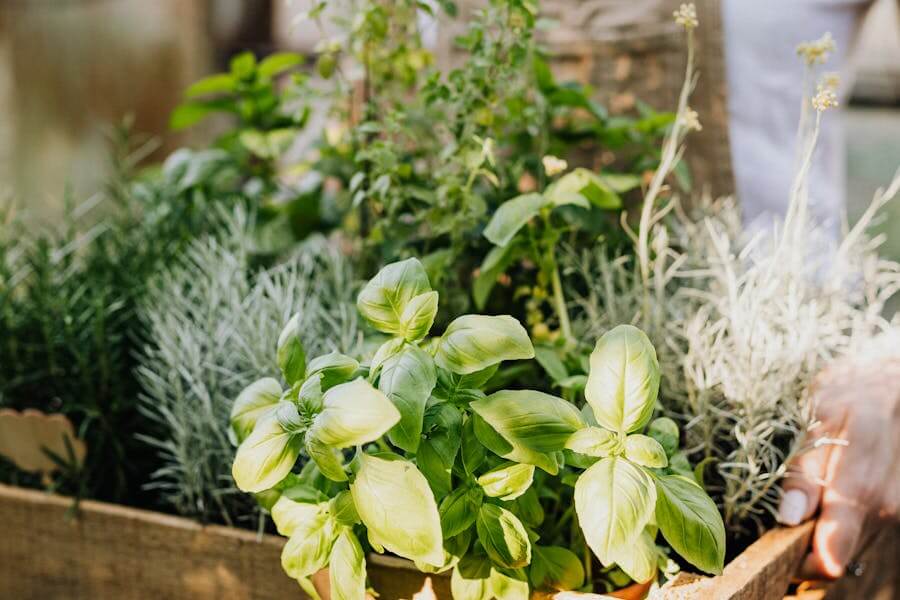
Herbs bring a different quality to a garden. They are not just decorative—they are useful. Particularly the aromatic ones are a small luxury to elevate your home cooking.
A small selection is often enough to change how the space is used.
- mint, rosemary, and thyme for structure and scent
- basil and parsley in warmer spots.
Keep them in simple containers near the house for easy access. This kind of planting connects the garden to daily routines, rather than treating it as a separate space.
Certain herbs like rosemary require very little work, flower for a long season and give you wonderfully fragrant seasoning for meals and oils, year after year. For more tips like this, be sure to read our low maintenance garden ideas that still look beautiful.
Keep the Layout Open and Easy to Move Through
A garden can look refreshed but still feel awkward if the layout doesn’t work.
Spring is a good time to adjust how the space flows.
- keep pathways clear and direct
- avoid placing too many elements in one area
- create enough space around seating and planting
In many cases, improving movement through the garden has more impact than adding new features.
For smaller spaces, these small garden ideas that feel bigger and more relaxed show how layout can change how the garden is experienced.
Make Space to Sit Without Overcomplicating It
A garden becomes more valuable the moment there is somewhere comfortable to sit.
This doesn’t need to be elaborate. A simple arrangement, placed well, is often enough.
- position seating where it feels natural
- keep it accessible from the house
- avoid overfilling the area
If you’re refining this part of the space, these outdoor seating ideas that make you want to stay outside show how placement and comfort work together.
Choose Plants and Materials That Stay Manageable
Spring growth can quickly turn from fresh to overwhelming if the garden isn’t easy to maintain.
Choosing the right elements early makes a difference later in the season.
- use plants that suit your conditions
- avoid overly complex combinations
- keep materials simple and durable
The most effective spring garden ideas continue to work as the garden develops, rather than creating more work over time.
For a longer-term approach, these low-maintenance garden ideas that look effortlessly beautiful show how to keep the space manageable.
Use Small, Practical Habits to Keep Things Under Control
A garden doesn’t need constant attention, but it benefits from consistency. Small actions, done regularly, prevent the space from becoming difficult to manage.
- keep basic tools close to where you use them
- deal with small tasks as they appear
- avoid letting jobs build up
This approach keeps the garden feeling under control without turning it into a project.
Water and Maintain with Less Effort
As temperatures rise, it helps to adjust how you manage the garden.
- water more deeply, less frequently
- make sure hoses or watering tools are easy to access
- avoid creating routines that are hard to maintain
A few practical changes here can save time throughout the season.
Connect the Garden to Everyday Life
A garden that works well is one that becomes part of daily routines.
It might be a place to step outside in the morning, sit for a while in the afternoon, or spend time in the evening. These moments are what make the space feel worthwhile.
If you’re shaping your outdoor space more broadly, these outdoor living ideas for a relaxing, easy-to-maintain space show how everything connects.
Looking Ahead to the Summer Months
Spring sets the tone for what follows.
A garden that is clear, simple, and comfortable now will be easier to maintain and more enjoyable to use as the season continues. Small decisions at this stage often determine how the space feels later on.
As the season progresses, a few simple checks can make a big difference—this summer home maintenance checklist: must-dos before the heat covers the key tasks to keep both your home and garden in good condition.
Conclusion
Spring garden ideas don’t need to be complicated to be effective.
A few well-chosen changes—adding flowers, introducing herbs, refining the layout—can shift the space from something that looks neglected to something that feels ready to use. And when a garden feels easy to step into and spend time in, it becomes a natural part of everyday life again.
Once the space is refreshed, this how to prepare your garden for summer – guide helps you make sure everything continues to work as the season progresses.
And, as part of your seasonal update, a garden for butterflies can help bring movement and color into the space.
